
Record Numbers of Cloned Number Plates: What Drivers Need to Know
, by Reece Dennis, 3 min reading time
, by Reece Dennis, 3 min reading time
Cloned number plates are becoming a growing problem across the UK, with record numbers of drivers affected each year. A cloned number plate is when someone illegally copies a legitimate vehicle registration and displays it on another vehicle — often to avoid fines, commit crimes, or dodge tolls and congestion charges. Unfortunately, innocent motorists are often left dealing with the consequences.
The rise in cloned plates is largely driven by how easy it has become for criminals to obtain illegal or non-compliant plates online. Poor-quality sellers who ignore DVLA rules make it simple for fraudsters to order plates without proof of ownership or ID. Once cloned, the fake vehicle can rack up speeding tickets, parking fines, and even be linked to serious criminal activity — all traced back to the original plate holder.
As enforcement cameras become more common, cloned plates are also used to bypass ANPR systems, making detection harder and increasing the scale of the problem.
Many drivers only realise their plate has been cloned when fines or penalty notices arrive for places they’ve never been. Common warning signs include:
Parking tickets from unfamiliar locations
Speeding fines when your car wasn’t in use
Letters from the police regarding incidents you weren’t involved in
If this happens, it’s important to act quickly to protect yourself.
If you believe your number plate has been cloned:
Report it to the police immediately and obtain a crime reference number
Inform the DVLA so your vehicle record can be flagged
Keep evidence such as receipts, photos, or CCTV that prove your vehicle’s whereabouts
Notify any issuing authority that sends fines or penalties
Taking action early can help prevent further issues and protect your driving record.
Using fully DVLA-compliant number plates from a registered supplier is one of the simplest ways to reduce risk. Plates made to the correct standards, using approved materials and fonts, are harder to duplicate convincingly and less likely to be targeted by criminals.
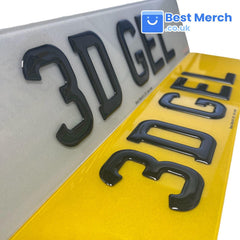
Upgrading to modern plate styles — such as premium raised letter designs — also makes cloning more difficult while keeping your vehicle road legal. This is especially true when plates are correctly fitted and securely mounted.
Record levels of number plate cloning highlight why compliance matters more than ever. Choosing a reputable supplier, ensuring your plates meet DVLA regulations, and fitting them correctly all play a role in protecting yourself from fraud.
If you’re ever unsure about number plate rules, legality, or installation methods, staying informed is the best defence — and it could save you significant stress down the line.
Cloned number plates are illegal duplicates of a genuine vehicle’s registration number, used on another vehicle to hide its true identity. The innocent registered keeper often receives fines, penalties, or police notices for offences they didn’t commit.
Cloning has risen due to the growth of ANPR cameras, congestion charges, online plate sales, and criminals using clones to avoid fines, fuel payments, parking charges, and enforcement zones like ULEZ.
Criminals often copy registration numbers from vehicles in public places, online car listings, social media photos, or by stealing plates directly. They then order illegal plates from unregulated sellers.
Common signs include receiving fines, PCNs, speeding tickets, or ULEZ charges for places you’ve never been, or being contacted by police about incidents you weren’t involved in.
Yes. Popular models, fleet vehicles, white vans, taxis, and cars commonly used in cities are more likely to be cloned because they blend in and attract less attention.
Yes. Even fully legal plates can be cloned if criminals copy the registration. However, plates made to DVLA standards with supplier markings can help prove authenticity if issues arise.
You should report it to the police, inform the DVLA, keep records of your vehicle’s location, and contact any issuing authority (such as councils or TfL) disputing fines with evidence.
Both. The police handle criminal investigations, while the DVLA manages registration records. You may need to deal with councils, TfL, or private operators separately for penalties
Yes. If not dealt with quickly, cloned plates can cause insurance complications or suspicion during claims. It’s important to notify your insurer if cloning is confirmed.
Yes. Making, using, or supplying cloned plates is a criminal offence in the UK and can result in fines, prosecution, and vehicle seizure for those responsible.