
What Are Square Number Plates Used for in the UK?
, by Reece Dennis, 3 min reading time
, by Reece Dennis, 3 min reading time
Square number plates are a common sight on UK roads, but many drivers aren’t entirely sure why they’re used or which vehicles require them. Unlike standard rectangular plates, square number plates are designed for vehicles where a traditional long plate simply won’t fit correctly.
In the UK, square number plates are fully legal as long as they meet DVLA regulations for size, spacing, font, and reflectivity. They’re not a styling choice alone — they’re often a practical necessity.
Square number plates are typically used on vehicles with limited mounting space or non-standard rear designs. Common examples include:
Many imported or older 4x4 vehicles (such as Japanese imports) have a recessed or square plate area. A standard rectangular plate would either overhang or look out of place, making square plates the correct fit.
Motorcycles commonly use square or near-square rear plates due to the compact tail design. This is especially popular for riders wanting a cleaner, more proportionate look — and it’s where square bike plates are most commonly seen.
Certain trucks, vans, and specialist commercial vehicles use square plates when rear doors, tail lifts, or bodywork restrict horizontal space.
Imported cars (especially from Japan or the USA) often require square plates due to factory-fitted plate recesses that don’t accommodate UK rectangular sizing.
Yes — square number plates can be made in 3D gel or 4D styles, provided they remain road legal.
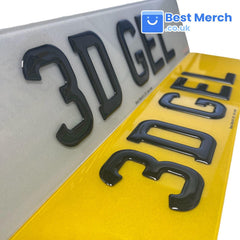
3D gel plates feature raised, domed characters and are a popular choice for drivers wanting subtle depth while remaining DVLA-compliant.
4D number plates use precision-cut acrylic characters for a bold, modern appearance. These are especially popular on motorbikes and 4x4s, where square plates are already the norm.
👉 If you’re fitting a square plate to a motorcycle, our 4D bike plates are designed to meet UK standards while delivering a premium finish — making them ideal for riders who want both style and legality.
Yes — square number plates are legal as long as they comply with DVLA regulations, including:
Correct Charles Wright font
Legal character spacing
Approved reflective materials
No altered or stylised characters
Supplier details printed on the plate
The DVLA does not restrict plate shape — only compliance.
Square number plates aren’t just about looks. They offer:
✅ Proper fitment for non-standard vehicles
✅ Cleaner mounting with no overhang
✅ Compatibility with modern 3D & 4D styles
✅ Full UK road legality when made correctly
Whether you’re upgrading a bike, fitting plates to a 4x4, or replacing imported vehicle plates, square number plates are often the best and only correct option.
A square number plate is a UK-compliant plate format that is taller than it is wide. It’s designed for vehicles that don’t have enough horizontal space for a standard oblong plate.
Yes, square number plates are legal as long as they meet DVLA regulations, including correct font, spacing, reflective background, and approved manufacturer markings.
No. While Japanese imports frequently require square plates, many UK vehicles—especially 4x4s and bikes—are designed to use square plates due to their body shape.
Yes. Motorcycles commonly use square number plates because of limited rear mounting space. Bike plates must still meet legal sizing, font, and spacing requirements.
Yes. Square formats are very popular for 4D bike number plates, especially on motorcycles and compact rear ends. The plate shape does not affect legality—only compliance does.
In most cases, no. Front plates usually require a standard oblong size unless the vehicle was manufactured to accept a square format (commonly imports).
Yes. You can personalise the layout (within legal spacing rules) and choose styles like 3D gel or 4D acrylic, provided the plate remains DVLA compliant.
Many 4x4s have rear-mounted spare wheels or narrow plate recesses, making square plates a better fit without overhanging or bending.