Why Are Number Plates Different Colours?
, by Reece Dennis, 4 min reading time
, by Reece Dennis, 4 min reading time
If you’ve ever wondered why vehicle number plates come in different colours, you’re not alone. From the familiar white and yellow plates on UK roads to green, black, and even red variations, each colour serves a specific legal and practical purpose. Understanding these differences is especially important if you’re buying replacement plates or upgrading to 3D gel or 4D styles, as the colour rules still apply regardless of design.
Below, we break down why number plates are different colours, what each colour means, and what’s legal to use on UK roads.
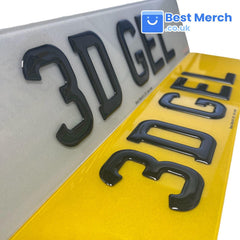
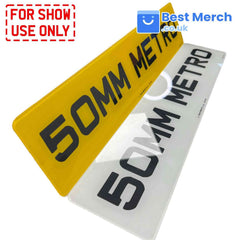
In the UK, most vehicles use white plates on the front and yellow plates on the rear. This colour system isn’t just for aesthetics—it’s about safety and visibility.
White front plates reflect light clearly in daylight and low-light conditions
Yellow rear plates reduce glare from headlights at night
The contrast helps other road users quickly identify the direction a vehicle is travelling
These plates must use black characters and comply with DVLA regulations, even if you choose modern styles such as 3D gel or 4D number plates. The colour background cannot be changed, tinted, or darkened.
Green number plates are becoming more common and are used to identify zero-emission vehicles such as fully electric cars.
They feature a green flash or strip on the left-hand side
They allow local authorities to easily identify EVs
Some councils offer incentives like free parking or access to clean air zones
It’s important to note that the green element is optional, but if used, it must follow the approved DVLA format. The main plate background still remains white (front) and yellow (rear).
Black number plates with silver or white lettering are reserved for classic vehicles.
To legally use a black number plate, your vehicle must:
Have been built before 1 January 1980
Be registered as a historic vehicle
These plates are popular with classic car enthusiasts, but using them on a modern vehicle is illegal—even if the style looks similar.
Red number plates are not for general public use. They are issued to:
Vehicle manufacturers
Motor traders
Testing organisations
They’re typically used when vehicles are being tested on public roads before registration. If you see one, it’s a sign the vehicle isn’t fully registered yet.
Many drivers assume that choosing 3D gel or 4D plates allows more flexibility—but the background colour rules never change.
Characters must remain black
Backgrounds must be white (front) and yellow (rear)
No colour shading, carbon effects, or tinted finishes are road legal
Failing to follow these rules can result in MOT failure, fines, or your plate being deemed illegal.
Number plate colours are standardised to help:
ANPR cameras read plates accurately
Police identify vehicles quickly
Improve road safety in all conditions
Even small deviations—such as altered shades or non-approved finishes—can cause issues.
Number plate colours aren’t chosen at random. Every colour used on UK roads has a legal reason behind it, whether it’s visibility, identification, or regulation. If you’re upgrading your plates, always ensure your new design follows DVLA rules so you stay road legal while still achieving a premium look.
Choosing compliant materials and approved styles means you get the best of both worlds: standout appearance and complete peace of mind.
UK number plates use different colours to improve visibility, identification, and enforcement. The standard yellow rear plate and white front plate make vehicles easier to see in traffic and allow cameras and police to quickly identify the direction a vehicle is travelling.
Front plates are white and rear plates are yellow so enforcement cameras, witnesses, and other road users can instantly tell whether they are viewing the front or back of a vehicle, especially in poor visibility or at night.
Black and silver number plates are only legal on vehicles registered before 1 January 1980. Using them on newer vehicles is illegal and can result in fines, MOT failure, or police action.
Green flashes on number plates identify zero-emission vehicles. This allows local authorities to offer incentives such as free parking, reduced congestion charges, or access to clean air zones.
Red, blue, or other coloured plates are generally used for non-road purposes, such as trade plates, diplomatic vehicles, military vehicles, or temporary export plates. These are not standard road-use plates for private vehicles.
No. UK law strictly controls number plate colours. Any deviation from approved colours — including tinted, coloured, or darkened plates — is illegal and can lead to penalties.
Yes. Approved colour combinations are designed to ensure automatic number plate recognition (ANPR) cameras can accurately read plates. Non-standard colours can interfere with recognition and are therefore prohibited.
Personalised, 3D, and 4D plates must still follow DVLA colour rules. Raised or gel characters are allowed only if they remain black on a white/yellow reflective background and meet spacing and font regulations.