How to Properly Install Number Plates (The DVLA-Recommended Way)
, by Reece Dennis, 3 min reading time
, by Reece Dennis, 3 min reading time
Correctly installing your number plates isn’t just about looks — it’s also about staying road-legal and protecting your plates from unnecessary damage. Whether you’ve chosen standard printed plates or a premium raised-letter option, fitting them properly ensures longevity, compliance, and a clean finish.
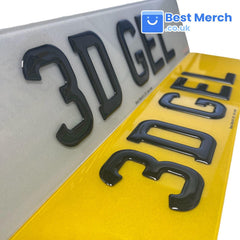
In this guide, we’ll walk you through the DVLA-recommended method for installing number plates, explain why sticky pads are often better than screws, and highlight what to avoid if you’ve chosen 4D or 3D gel number plates.
The DVLA recommends securing number plates in a way that keeps them clearly visible, undamaged, and firmly attached. While screws are still legal, high-quality adhesive sticky pads are now widely regarded as the best method — and for good reason.
Sticky pads provide:
A clean, screw-free finish
No risk of cracking or warping the plate
No damage to raised lettering
Strong, weather-resistant bonding when applied correctly
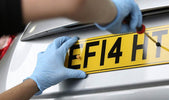
To install using sticky pads:
Clean both the vehicle mounting area and the back of the plate thoroughly.
Apply sticky pads evenly across the back of the plate (especially around the edges).
Press the plate firmly into position and hold for 30–60 seconds.
Avoid washing the vehicle for at least 24 hours.
This method is ideal for all modern plates and especially recommended for premium styles such as 4D plates and 3D gel plates.
If you prefer to screw your number plates on, it’s crucial to do it correctly — particularly if you’ve chosen a raised letter style.
Never drill or screw through the letters themselves.
For plates such as 4D number plates or 3D gel plates, drilling through the characters can:
Damage or crack the raised elements
Ruin the appearance of the plate
Shorten the lifespan of the lettering
Instead:
Drill only through flat, clear areas of the plate
Use plate caps for a neat finish
Avoid overtightening, which can cause stress fractures
If you’ve invested in premium plates, sticky pads are almost always the better option to preserve their look and quality.
Ensure plates are mounted straight and secure
Check spacing and alignment before fixing permanently
Avoid bending the plate during installation
Always use road-legal, compliant number plates
If you’re upgrading your vehicle’s look, adhesive fitting pairs perfectly with premium styles
Installing your number plates the right way not only keeps you compliant but also ensures they look great for years to come.
In the UK, number plates should be securely fixed to the vehicle so they are clearly visible, readable, and not loose. The DVLA recommends using adhesive sticky pads rather than screws, provided the plates are firmly attached.
Yes. Using sticky pads or adhesive strips is legal and is the DVLA-recommended method, as it avoids damaging the plate and helps maintain correct spacing and character visibility.
Yes, screws are allowed, but they must not alter the appearance of the characters, spacing, or font. Incorrectly placed screws can make a plate illegal.
No. You should never screw through raised characters, including 3D gel or 4D acrylic letters. Doing so can damage the characters and make the plate non-compliant with DVLA regulations.
Yes. Screws can make a number plate illegal if they distort letters, change spacing, or affect readability. Black screws placed within characters are a common reason for fines and MOT failures.
The best method is strong automotive adhesive pads. This keeps the plate flush, avoids visible fixings, and prevents damage to raised lettering.
No. Frames are optional, but the plate must be fully visible and securely mounted. Any frame that obscures the plate edge, supplier details, or characters could make it illegal.
Yes. Installing number plates is a simple DIY task as long as you follow legal requirements and ensure the plate is firmly attached and correctly positioned.
A loose or poorly fitted number plate can result in a fine, an MOT advisory or failure, or police attention if the plate falls off or becomes unreadable.
Yes. Number plates should be mounted straight and level so they are easily readable by cameras and the human eye.