
How to Transfer a Registration Number From One Car to Another
, by Reece Dennis, 4 min reading time
, by Reece Dennis, 4 min reading time
Transferring a registration number from one vehicle to another is a common process in the UK, whether you’re moving a private plate to a new car, selling a vehicle and keeping the plate, or reassigning a cherished registration. While it might sound complicated, the process is actually quite straightforward when done correctly through the DVLA.
In this guide, we’ll explain how to transfer a registration from car to car, what you’ll need, how long it takes, and what to do once the transfer is complete.
Before starting, it’s important to check that both vehicles are eligible for a plate transfer. The DVLA has a few key rules:
Both vehicles must be registered with the DVLA
Both must be taxed (or declared SORN if applicable)
Both must have a valid MOT (if required due to age)
The registration must not make the vehicle appear newer than it is
If the plate fails any of these checks, the transfer may be rejected.
To transfer a registration online or by post, you’ll typically need:
The V5C log book for both vehicles
The V778 retention certificate (if the plate is currently on retention)
Or the V750 certificate of entitlement (for newly purchased private plates)
If the plate is already on one vehicle and being moved directly to another, the process can be completed online without posting documents.
The online DVLA service is the quickest and most popular option.
Visit the DVLA’s registration transfer service
Enter the registration number you want to move
Provide details for both vehicles
Pay the £80 DVLA transfer fee (if applicable)
Submit the application
In most cases, the transfer is completed instantly, and both vehicles will be updated on the DVLA database straight away.
If you can’t use the online service, you can apply by post using the relevant DVLA forms. This method is slower and can take 2–4 weeks, depending on processing times.
Make sure all documents are correct and complete to avoid delays.
Once the transfer is complete:
The donor vehicle will be assigned its original or a new age-related registration
The recipient vehicle will receive the new registration
Updated V5C log books will be sent out by the DVLA
You must fit new number plates before driving
Driving with the old plates after the transfer is illegal and can result in fines.
After transferring a registration, remember to update:
Your car insurance provider
Breakdown cover
Parking permits
Congestion charge accounts
Any finance or leasing company involved
Failing to update these details can cause issues with cover or enforcement notices.
Once the DVLA confirms the transfer, you’ll need replacement number plates made to the new registration. Always ensure they are fully road legal, compliant with UK spacing, font, and sizing rules.
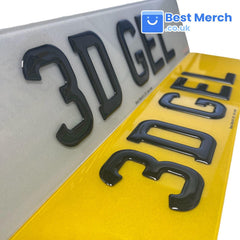
If you’re choosing a raised-letter style, make sure plates are manufactured correctly and fitted securely to avoid damage or legal issues.
Transferring a registration from one car to another is a simple process when done the right way. Using the DVLA’s online service is the fastest and easiest option, and as long as both vehicles meet the eligibility criteria, the transfer can often be completed the same day.
If you’re planning a transfer, make sure your paperwork is ready, update your records once complete, and always use DVLA-compliant number plates before returning to the road.
Can I transfer a private registration from one car to another?
DVLA charges £80 to transfer or retain a private registration number. This fee applies whether transferring online or by post.
Online transfers are often completed immediately. Postal applications can take 2–4 weeks, depending on DVLA processing times.
No. You cannot transfer a registration from a vehicle that has been scrapped, written off, or permanently exported. In these cases, the registration must usually be retained before disposal.
Yes. Once the transfer is complete, you’ll need to display new physical number plates on both vehicles to match their updated registrations
Yes. You must inform your insurer of the new registration number to ensure your policy details remain accurate and valid.
Possibly. If the vehicle is on finance or lease, you’ll usually need written permission from the finance company before transferring the registration.
The vehicle will usually revert to its original registration number if it had one. If not, the DVLA will assign an age-appropriate registration.
Yes, but you cannot make a vehicle appear newer than it is. For example, you can’t put a “23” plate on a 2019 car.