
UK Number Plate Age Identifiers Explained (A-Reg to Current Plates)
, by Reece Dennis, 4 min reading time
, by Reece Dennis, 4 min reading time
If you’ve ever wondered what an X-reg, Y-reg, or 72 plate actually means, you’re not alone. UK number plates don’t just identify a vehicle — they also reveal when it was first registered. These are known as age identifiers, and understanding them can help when buying a car, checking its value, or ordering replacement number plates.
In this guide, we’ll break down all UK age registrations, from classic lettered plates to today’s modern system, and explain how they apply to different plate styles.
Before the current number/letter format, UK vehicles used letter-based registrations. These plates ended with a letter that showed the year of registration.
Examples include:
A-Reg – 1963
H-Reg – 1990
R-Reg – 1997
X-Reg – 2000
Y-Reg – 2001
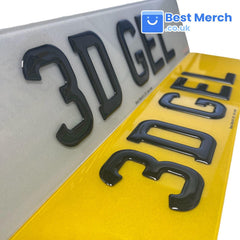
These registrations are often associated with classic or modern-classic vehicles. Many owners choose to refresh these cars with updated but compliant plate styles, such as retro-inspired 4D number plates or subtle 3D gel digits, which modernise the look while keeping the vehicle’s character.
Since September 2001, the UK has used the two-number, two-letter system we’re familiar with today:
AB12 CDE
The two numbers in the middle are the age identifier:
01–49 = March registrations
50–99 = September registrations
For example:
21 plate = March 2021
71 plate = September 2021
24 plate = March 2024
This system makes it easy to instantly identify how old a vehicle is. Many newer cars registered under this format pair especially well with modern number plate styles, including 4D bevelled-edge digits and 3D gel number plates, both of which remain road legal when made to DVLA standards.
Older vehicles may still display:
Prefix plates (letter at the start, e.g. A123 ABC)
Suffix plates (letter at the end, e.g. ABC 123A)
These formats are no longer issued but remain legal for vehicles originally registered under them. Owners often upgrade worn or faded plates to newer materials while keeping the original registration format intact.
It’s important to note:
Age-related plates match the vehicle’s year
Private plates cannot make a car appear newer than it is
For example, a 2015 vehicle cannot legally display a 19-plate. However, you can choose different digit styles, spacing-correct fonts, and premium finishes — such as 4D retro-style plates or 3D gel number plates — as long as the registration itself remains compliant.
Whether you’re running:
A classic X-reg car
A daily-driven 21 or 72 plate
Or a personalised registration
You can still enhance your vehicle’s appearance with modern plate options that meet UK regulations. Raised-digit styles like 4D and 3D plates are increasingly popular for drivers who want something distinctive without sacrificing legality.
UK age identifiers are more than just numbers and letters — they tell the story of your vehicle. Understanding them helps you make informed choices when buying a car, selling one, or upgrading your number plates.
As always, ensure any replacement plates follow UK legal requirements, regardless of whether you choose standard printed plates, 3D gel digits, or 4D retrofit styles.
UK number plate age identifiers are the two numbers or one letter on a registration plate that show when a vehicle was first registered. They help identify a vehicle’s age at a glance and are set by the DVLA.
Suffix plates were used between 1963 and 1983, with a letter at the end of the registration (e.g. ABC 123A). Each letter represented a registration year, although some letters were skipped.
Yes, private (personalised) plates can mask a vehicle’s age — but not make it look newer than it actually is. The DVLA will not allow a registration that implies a newer year than the car’s original registration date.
Yes. England, Scotland, Wales, and Northern Ireland all follow UK-wide age identifier rules, although Northern Ireland uses a different plate format without age identifiers.