
What Are the Fines for Illegal Number Plates in the UK?
, by Reece Dennis, 4 min reading time
, by Reece Dennis, 4 min reading time
Illegal number plates are more than just a styling issue — they carry clear financial penalties under UK law. Whether the problem is spacing, font, fixing method, or use of non-compliant materials, drivers can face on-the-spot fines and further action from authorities.
Understanding exactly what fines apply, who enforces them, and how much you could be charged helps ensure your vehicle stays road-legal and avoids unnecessary costs.
In the UK, the most common punishment for displaying an illegal number plate is a Fixed Penalty Notice (FPN).
£100 fine per offence
No penalty points added in most cases
Police may issue the fine immediately during a roadside stop
These fines are typically issued for:
Incorrect spacing to alter the appearance of a registration
Illegal fonts or stylised characters
Missing BS AU 145e marking
Incorrect plate size or layout
Use of sticker number plates
Enforcement is guided by rules set out by DVLA, and local police forces actively monitor compliance.
Yes. If the issue is not corrected, you can be fined again.
For example:
Being stopped multiple times with the same illegal plate
Failing to replace plates after being warned
Using different illegal plates on multiple vehicles
Each offence can result in a separate £100 fine, meaning costs can quickly add up.
In more serious cases — such as deliberate misrepresentation of a registration — the matter can be escalated beyond a fixed penalty.
Potential court-issued fines include:
Up to £1,000 per plate
Orders to immediately remove or replace the plate
Additional scrutiny of the vehicle’s registration status
These higher fines are more likely where plates are intentionally altered to avoid ANPR cameras or mislead authorities.
Fines don’t only apply to drivers. Registered plate suppliers can also face penalties if they:
Sell plates without checking legal documents
Produce non-compliant designs
Fail to include required markings
This is why buying from a compliant UK supplier is essential — cheaper, unverified plates can end up costing far more in fines.
The easiest way to avoid fines is ensuring your plates meet all current UK regulations:
Correct font and spacing
Legal fixing method
Proper reflective materials
Required supplier and British Standard markings
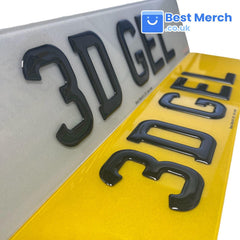
If you choose raised styles such as 3D gel or 4D plates, the design must still fully comply with DVLA standards.
Illegal number plates are a quick way to pick up a £100 fine — or far more if the issue escalates. While enforcement is becoming stricter, staying compliant is simple when plates are made correctly and fitted properly from the start.
If you’re unsure whether your current plates meet regulations, it’s always safer (and cheaper) to replace them before enforcement action occurs.
You can be fined up to £1,000 for displaying an illegal number plate that does not meet DVLA regulations.
Yes. In serious cases, especially where plates are altered to avoid identification, you can receive fixed penalty points in addition to a fine.
Yes. Any number plate that is incorrectly spaced, the wrong font, too small, tinted, damaged, or non-reflective will result in an immediate MOT fail.
Yes. Police can issue a Vehicle Defect Rectification Notice (VDRS) or require you to replace the plates immediately. Continued non-compliance may lead to further penalties.
Yes. Repeated offences can lead to higher fines, further police action, and increased scrutiny of the vehicle.
You can be fined only if the 3D or 4D plates do not comply with DVLA rules on font, spacing, reflectivity, and character visibility. Compliant plates are legal.
Yes. Tinted or smoked number plates that reduce readability are illegal and can result in a fine of up to £1,000.
Yes. If your plates are illegal, insurers may argue non-disclosure or vehicle modification, which could affect claims or policy validity.
Yes. If a plate is unreadable or altered, enforcement action may still be taken — and deliberately obscuring plates can result in more severe penalties.