
How to Stop Number Plates Falling Off Your Car (Permanent Fixes That Actually Work)
, by Reece Dennis, 6 min reading time
, by Reece Dennis, 6 min reading time
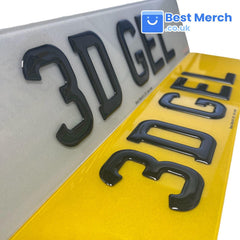
In this guide, we’ll explain why number plates fall off, how to stop it happening for good, and the best fixing methods for both standard number plates and 4D number plates.
Most number plates don’t fall off randomly — there’s usually a clear reason. The most common causes include:
Low-quality adhesive pads losing grip over time
Incorrect or missing screws
Old, cracked, or warped number plates
Poor fitting on curved bumpers
Pressure from car washes and harsh weather
Heavier plates, such as 4D number plates, can also expose weak fixings that may have worked fine on cheaper or thinner plates.
Yes. In the UK, number plates must be securely fixed and clearly visible at all times. Driving without one can result in:
A £100 on-the-spot fine
MOT failure
Being stopped by the police
That’s why it’s important to fix the issue properly, not temporarily.


Using proper number plate screws is still the most reliable way to secure a plate, especially for long-term use.
Best practice:
Use stainless steel screws to prevent rust
Don’t overtighten, as this can crack acrylic plates
Use screw caps for a clean, professional finish
This method works perfectly for both standard number plates and 4D plates.


If you prefer a no-drill look, adhesive pads can work — but only if they are automotive-grade. Cheap sticky pads are one of the main reasons number plates fall off.
How to make adhesive pads last:
Clean the bumper and plate thoroughly with alcohol wipes
Use at least 6 to 8 strong adhesive pads
Press firmly for at least 60 seconds
Leave the car parked for 24 hours before driving
This method works best with premium, rigid plates, including 4D number plates.
If your plate is cracked, bent, or brittle, no fixing method will last long-term. Old plates simply don’t bond properly or hold screws securely.
Upgrading to:
Standard UK number plates (lightweight and fully compliant)
4D number plates (thicker, stronger, premium finish)
…will dramatically reduce the risk of your number plate coming loose again.
One of the most common mistakes is using one screw and a couple of sticky pads. This creates uneven pressure and almost guarantees failure.
Always choose one method:
All screws
Or all adhesive pads
Never mix them poorly.
Because 4D number plates are heavier than standard acrylic plates, we recommend:
Screws with rubber washers for maximum security
Or high-strength automotive adhesive pads fitted correctly
This ensures your 4D plates stay secure at speed and in all weather conditions.
Use quality fixings, not cheap adhesive pads
Clean all surfaces before fitting
Match the fixing method to the plate type
Avoid overtightening screws
Check your plates regularly
If your number plate keeps falling off, it’s almost always due to poor fitting or low-quality fixings. Using the correct installation method and a high-quality plate will solve the problem permanently.
Whether you’re fitting standard number plates or upgrading to 4D number plates, securing them properly will save you time, money, and potential fines.
Internal linking ideas for your store:
Shop 4D Number Plates
View Standard UK Number Plates
Browse Number Plate Fixings & Accessories