
Standard vs 3D vs 4D Number Plates: Which Is Best for Your Car?
, by Reece Dennis, 5 min reading time
, by Reece Dennis, 5 min reading time
Choosing the right number plate for your car isn’t just about legality — it’s also about style, durability, and personal preference. With options like standard number plates, 3D gel plates, and 4D number plates, many drivers ask the same question:
Which number plate is best for my car?
In this guide, we’ll compare standard vs 3D vs 4D number plates, explain the differences, and help you decide which option suits your vehicle best.
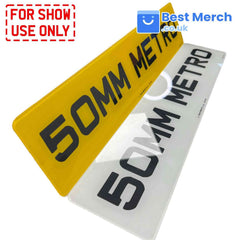
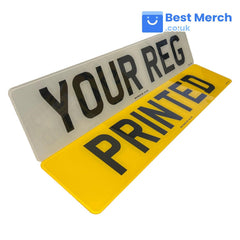
Standard number plates are the most common plates on UK roads. They feature flat, printed characters on a reflective acrylic backing and are fully road legal when made to DVLA standards.
Fully DVLA compliant
Lightweight and affordable
Suitable for all vehicles
Subtle, factory-style appearance
Minimal visual impact
Less premium compared to 3D or 4D plates
Best for:
Daily drivers, lease vehicles, company cars, and anyone wanting a clean, OEM look.
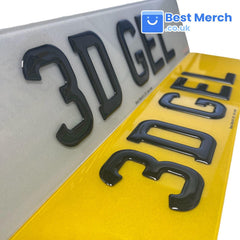
3D gel plates use raised gel characters to create a glossy, domed effect. They offer a more premium appearance while remaining road legal when manufactured correctly.
Stylish, modern look
Glossy raised lettering
Fully road legal when DVLA compliant
Popular upgrade from standard plates
Slightly more expensive than standard plates
Gel can wear over time if low quality
Best for:
Drivers who want a noticeable upgrade without going too bold.
4D number plates take styling a step further by using laser-cut solid acrylic characters bonded to the plate. These letters have sharp edges and depth, creating a bold, high-end appearance.
Most premium and modern look
Sharp, clean lettering
Extremely durable when made properly
Very popular on modified and luxury cars
More expensive than standard or 3D plates
Heavier, so correct fitting is important
Best for:
Performance cars, luxury vehicles, modified builds, and drivers who want maximum visual impact.
Yes — standard, 3D, and 4D number plates can all be road legal in the UK, provided they meet DVLA regulations, including:
Correct font
Proper spacing
Approved materials
No altered character shapes
Always ensure your plates are made by a registered supplier and meet current DVLA standards.
Here’s a quick comparison to help you decide:
Choose standard number plates if:
You want the cheapest option
You prefer a factory-style look
You drive a lease or company car
Choose 3D gel plates if:
You want a stylish but subtle upgrade
You like glossy, raised lettering
You want something different without being bold
Choose 4D number plates if:
You want a premium, standout look
Your car is modified or high-end
You value durability and sharp design
There’s no single “best” number plate — the right choice depends on your car, budget, and personal style.
Standard plates offer simplicity and value
3D plates strike a balance between style and subtlety
4D plates deliver the most premium appearance
Whichever option you choose, make sure your number plates are road legal, securely fitted, and high quality to avoid issues down the line.